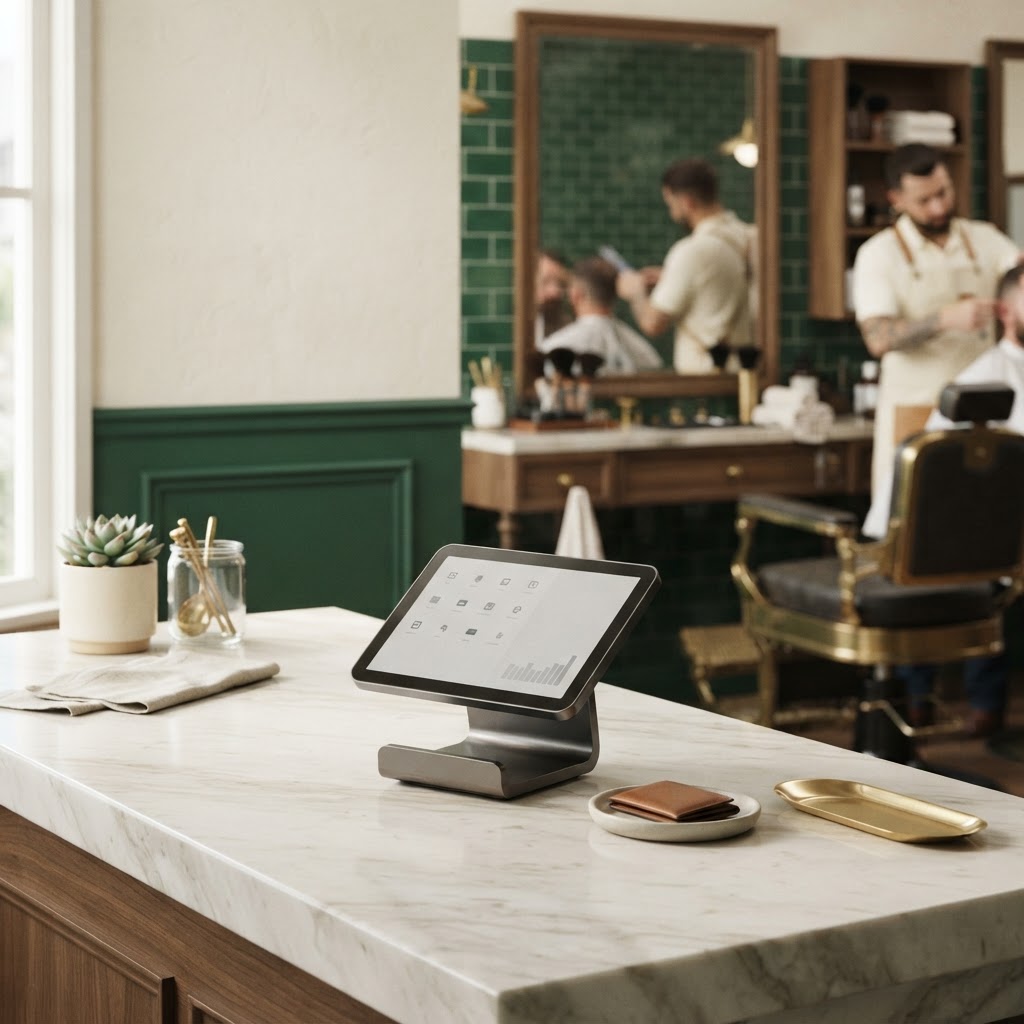
Med Spa Payment Processing: Why Clinics Get Flagged & How to Stay Open
Med spas often face payment holds due to high ticket sizes and future delivery risk. Learn how to secure your processing and avoid merchant account shutdowns.
Med spas are frequently flagged by payment processors because they combine high average ticket sizes with 'future delivery' risk, where services like laser packages or injectable rounds are paid for weeks or months before they are fully rendered. To keep payments moving, a med spa must move away from generic payment aggregators and secure a dedicated merchant account with an underwriter that specifically understands aesthetic medical risks, such as high-ticket recurring billing and off-label pharmaceutical use.
The High-Risk Reality of Medical Aesthetics
In the eyes of a traditional bank, a med spa is a high-risk entity. This classification has nothing to do with the quality of your clinical care and everything to do with the financial liability your business model creates. Most med spas operate on a 'hybrid' model—part medical clinic, part luxury retail. This ambiguity is where the trouble begins for payment processing.
When you sell a $3,500 body contouring package, you are creating a significant 'future delivery' liability. If your clinic were to close tomorrow, the bank would be on the hook for refunding every patient who didn't receive their full treatment plan. This 'exposure' is what triggers the automated risk flags that lead to frozen funds and sudden account terminations.
Why Med Spas Get Flagged: The Three Main Triggers
1. The 'Future Delivery' Trap
Processors hate uncertainty. When a patient prepays for six sessions of laser hair removal, the bank views that transaction as unearned revenue. If the patient decides after session three that they are unhappy and files a chargeback for the full amount, the processor is at risk. Standard processors like Square or Stripe often have a low tolerance for this, especially if your 'time to fulfillment' exceeds 30 days.
2. High Average Ticket (ATV) Spikes
If your usual transaction is $200 for a facial and you suddenly swipe a card for a $6,000 surgical-grade aesthetic procedure, the system's fraud detection will likely flag the transaction. Without a merchant account that is specifically underwritten for these high-ticket items, your funds can be held for 30 to 90 days while the bank 'investigates' the legitimacy of the sale.
3. Regulatory and Pharmaceutical Scrutiny
The rise of GLP-1 agonists (like Semaglutide or Tirzepatide) for weight loss has placed med spas under a microscope. Many payment processors have strict policies against 'off-label' pharmaceutical sales or compounding. If your website or marketing mentions these treatments without the proper medical oversight or required disclosures, your payment processing can be cut off overnight without warning.
The Danger of 'Easy' Aggregators
Many new med spas start with aggregators because they are easy to set up. However, these platforms do 'front-end' underwriting. They approve you in minutes but don't actually vet your business until you hit a certain volume or a specific risk trigger.
Once you start doing $20,000 or $50,000 a month in volume, a human underwriter finally looks at your account. If they see high-risk procedures or future delivery packages, they may decide you violate their Terms of Service and shut you down immediately. To avoid this, it is essential to get matched with a processor that performs 'back-end' underwriting—meaning they vet your business before you start processing, ensuring your account is stable for the long haul.
Understanding MCC Codes: 7298 vs. 8011
Your Merchant Category Code (MCC) determines how much you pay in fees and how banks perceive your risk. Med spas typically fall under two categories:
- MCC 7298 (Health and Beauty Spas): Often used for day spas, facials, and massages. This code is generally easier to get but may have lower limits for high-ticket medical procedures.
- MCC 8011 (Doctors and Physicians): Used when the clinic is overseen by a Medical Director. This can sometimes lower your risk profile in the eyes of the bank because it implies professional medical oversight.
Misclassifying your business to get a lower rate is a form of 'processing circumvention' and is a leading cause of being placed on the MATCH list (the industry blacklist). A professional free statement review can help you identify if you are currently using the correct code and if you are being overcharged for your risk level.
How to Bulletproof Your Processing Account
To maintain a healthy relationship with your processor, you need to demonstrate that you are a low-risk operator. Here are the steps every med spa should take:
- Detailed Invoices: Never leave the description blank. Instead of 'Service,' use '3 of 6 Laser Sessions - Patient Name.'
- Signed Waivers and Contracts: For every high-ticket sale, have a signed agreement that clearly states your refund policy. This is your best defense against chargebacks.
- Clear Refund Policies: Make sure your 'No Refunds' or 'Store Credit Only' policy is visible at the point of sale and on your website.
- Website Compliance: Ensure your site includes your physical address, customer service phone number, and clear descriptions of services. Avoid making 'guaranteed results' claims that could be flagged as deceptive marketing.
What to Do If Your Funds Are Frozen
If you wake up to a 'Notice of Termination' or a fund freeze, do not panic and do not try to open a new account under a different name—this will get you blacklisted permanently.
- Contact the Risk Department: Ask for the specific reason for the hold. Is it a single transaction or a volume spike?
- Provide Documentation Immediately: Have your bank statements, clinical notes (redacted for HIPAA), and signed patient contracts ready to prove the validity of the sales.
- Diversify Your Processing: Never rely on a single merchant account. High-volume med spas should have at least two merchant IDs (MIDs) to ensure that if one is flagged, the business can still function while the issue is resolved.
Conclusion
Payment processing for med spas requires more than just a card reader; it requires a strategic approach to risk management. By understanding why banks flag your industry and taking proactive steps to secure a dedicated, underwritten account, you can focus on your patients rather than your bank balance. If you're unsure if your current setup is 'at risk' or if you’re paying too much, take the first step toward security with a free statement review today. Let the experts help you keep your payments moving.
Frequently asked questions
Why did my med spa payment processor freeze my funds?+
Funds are typically frozen due to high-ticket transactions that exceed your approved limit, a sudden increase in monthly volume, or concerns regarding 'future delivery' risk on prepaid service packages.
Can I use Square or Stripe for my med spa?+
While you can start with them, they often flag or shut down med spas once volume increases because they are not designed for high-risk medical aesthetics or long-term future delivery liabilities.
What is the best MCC code for a med spa?+
Med spas usually use MCC 7298 (Health and Beauty Spas) or MCC 8011 (Doctors and Physicians). The best choice depends on your Medical Director involvement and the specific procedures you offer.
How can I avoid chargebacks in my aesthetic clinic?+
To prevent chargebacks, ensure every patient signs a clear refund policy, use detailed invoices, and maintain thorough clinical documentation to prove services were rendered.
Is Botox considered high-risk for payment processing?+
Yes, Botox and other injectables are considered high-risk because they involve pharmaceutical products and have a higher-than-average potential for consumer disputes over results.
See your real processing math
Upload your merchant statement for a free, line-by-line OrbitBNK review.
Start The Clearing