How to Lower Your Credit Card Processing Fees in 2026: Expert Guide
Discover actionable strategies to lower credit card processing fees in 2026. Learn about interchange optimization, pricing models, and hidden fee negotiation.
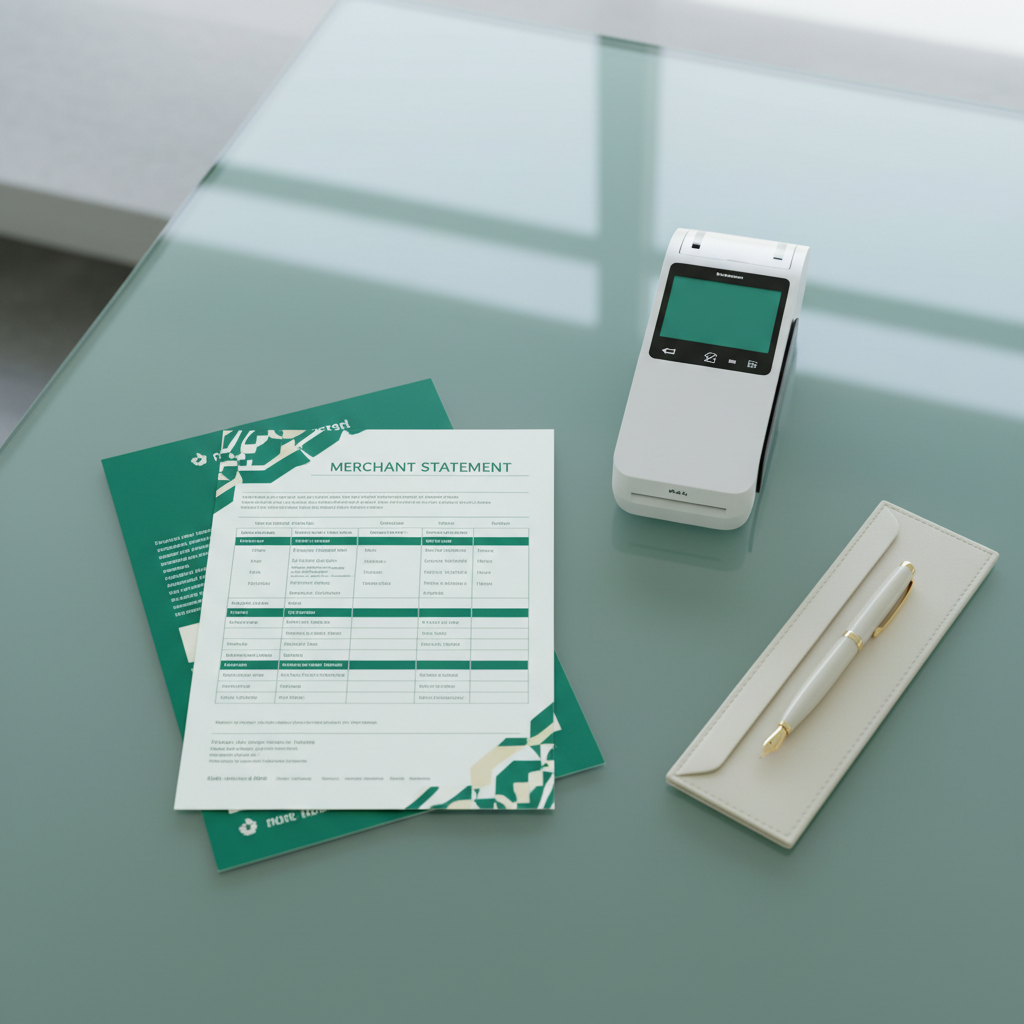
The Bottom Line: How to Cut Costs Immediately
To lower credit card processing fees in 2026, you must move away from flat-rate or tiered pricing in favor of Interchange Plus pricing, optimize your B2B transactions with Level 2 and 3 data, and aggressively audit your monthly statements for junk fees like PCI non-compliance or inflated batch headers. Real savings come from reducing the processor's margin, not the non-negotiable rates set by Visa and Mastercard.
If you feel like your merchant statement is written in a foreign language designed to confuse you, you aren't alone. The payment processing industry has long thrived on opacity. But as we head into 2026, the leverage has shifted back to the merchant. With new fintech entrants and increased regulatory scrutiny, there has never been a better time to audit your stack and trim the fat.
Step 1: Calculate Your True "Effective Rate"
Before you can lower your fees, you have to know what you are actually paying. Processors love to quote you a "teaser rate" of 1.5% or 1.9%, but that is rarely the final cost. To find your truth, ignore the individual line items for a moment and look at the bottom of your statement.
Use this formula: (Total Fees Charged / Total Gross Volume) x 100 = Effective Rate.
If you processed $100,000 and your total fees (including everything from interchange to monthly service charges) were $3,200, your effective rate is 3.2%. For most retail businesses, an effective rate above 2.8% is a red flag. For e-commerce or high-risk industries, that number might naturally be higher, but the goal is to establish this baseline so you can measure the success of your negotiations.
Step 2: Demand Interchange Plus Pricing
There are three primary ways processors bill you. Two of them are designed to overcharge you, and one is designed for transparency.
- Flat-Rate Pricing: Popularized by companies like Square and Stripe. You pay one rate (e.g., 2.9% + $0.30) regardless of the card type. While simple, this is almost always the most expensive option for high-volume merchants because you pay a premium on every debit card transaction, which actually costs the processor very little.
- Tiered Pricing: The "Qualified," "Mid-Qualified," and "Non-Qualified" trap. The processor decides which transactions fall into which bucket. This is the least transparent model and gives the processor a blank check to move your transactions into higher-priced tiers.
- Interchange Plus (The Gold Standard): This is the only model we recommend at OrbitBNK. The processor passes the actual cost of the transaction (the Interchange) directly to you and adds a small, fixed margin (the "Plus"). For example, if a card's interchange is 1.65% and your markup is 0.20%, you pay 1.85%. This ensures you benefit when customers use low-cost cards like basic debit cards.
Step 3: Optimize for Level 2 and Level 3 Data
If you are a B2B company or sell to government agencies, this is the single biggest lever you have. Most merchants send only the basic transaction data to the networks. However, by providing more information—such as tax amounts, postal codes, and invoice numbers—you can qualify for lower interchange rates from Visa and Mastercard.
Level 3 processing can reduce interchange rates by as much as 1.00% or more. In 2026, many modern payment gateways can automate this data entry (often called "Interchange Optimization"). If your current provider isn't helping you capture this data, you are essentially leaving thousands of dollars on the table every month.
Step 4: Audit and Eliminate "Junk" Fees
Processors are notorious for adding small, recurring fees that add up to significant annual costs. When reviewing your statement, look for these specific culprits:
- PCI Non-Compliance Fees: These range from $20 to $100 per month. They are entirely avoidable. If you see this, it means you haven't completed your annual security questionnaire. Complete it, and the fee should vanish.
- Statement Fees / Minimums: In a digital world, paying $15 a month just to receive a PDF statement is outdated. Ask for these to be waived.
- Batch Header Fees: Paying $0.10 to $0.25 every time you close your terminal for the day. While small, high-volume businesses with multiple locations can see this add up.
- IRS Reporting Fees: Some processors charge you annually just to send a 1099-K. This is a cost of doing business for them and should not be passed to you.
Step 5: Master the Art of Negotiation
Negotiating with a payment processor is like buying a car; you need leverage. Do not call your current rep and simply ask for a discount. Instead, follow this blueprint:
- Gather Three Months of Statements: You need a representative sample of your volume and card mix.
- Get Competing Quotes: Contact at least two other providers. Specifically ask for an "Interchange Plus" quote with a markup in basis points (e.g., 10 basis points over interchange).
- The Retention Call: Contact your current provider's retention department. Tell them you have a written offer for Interchange Plus at a lower margin and ask them to match it. Because the cost of acquiring a new customer is so high, they will often slash your margin to keep you.
- Watch the Equipment Trap: Be wary of the "free" credit card terminal. These are rarely free; they usually come with higher processing rates or long-term ironclad leases that cost five times what the hardware is worth.
Step 6: Mitigate Chargebacks and Fraud
In 2026, the cost of a chargeback isn't just the lost revenue; it's the $25–$50 fee and the potential increase in your risk profile, which can lead to higher processing rates. To keep fees low, you must keep your chargeback ratio below 1%.
Utilize 3D Secure 2.0 (3DS2) for e-commerce transactions. This protocol provides an extra layer of authentication and, in many cases, shifts the liability for fraud from the merchant back to the card issuer. Additionally, ensuring your billing descriptor (what the customer sees on their bank statement) is clear and includes a phone number can prevent "friendly fraud" caused by customers not recognizing a charge.
Why Your Industry Matters
It is important to acknowledge that not all businesses are treated equally by the banking system. If you operate in a "high-risk" vertical—such as travel, nutraceuticals, or CBD—your base rates will naturally be higher. However, the same principles of transparency apply. Even high-risk merchants should insist on Interchange Plus pricing to avoid being gouged by excessive markups hidden within tiered structures.
The 2026 Outlook
As we move through 2026, keep an eye on the "Credit Card Competition Act" and similar legislative efforts. These aim to reduce the duopoly of Visa and Mastercard, which could lead to a significant drop in interchange rates. If you are on a flat-rate plan, you likely won't see those savings—your processor will just pocket the difference. If you are on Interchange Plus, those savings will flow directly to your bottom line.
Final Thoughts
Lowering your credit card processing fees isn't a one-time event; it's a discipline. By understanding your effective rate, demanding transparency through Interchange Plus, and optimizing your data, you can ensure your business isn't overpaying for the simple utility of accepting money.
Stop guessing and start saving. At OrbitBNK, we specialize in forensic statement analysis. Upload your most recent merchant statement today for a free, no-obligation review. We’ll show you exactly where the hidden costs are buried and how much you could save by switching to a more transparent model.
Frequently asked questions
What is a good credit card processing rate for a small business?+
A 'good' rate depends on your industry and how you take payments. Generally, for retail (card-present), an effective rate between 2.2% and 2.6% is competitive. For e-commerce (card-not-present), a rate between 2.8% and 3.2% is standard. Anything above 3.5% warrants an immediate audit.
How do I negotiate lower rates with my current processor?+
Start by calculating your effective rate and obtaining a competing 'Interchange Plus' quote. Call your processor's retention department and provide the specific markup (basis points) you’ve been offered elsewhere. They are more likely to match a specific, documented offer than a general request for a discount.
Is flat-rate pricing (like Square) better than Interchange Plus?+
Flat-rate pricing is only better for very small businesses (under $5,000/month in volume) because it lacks monthly fees. Once you scale, Interchange Plus is almost always cheaper because it allows you to pay the lower actual cost of debit cards and basic credit cards, rather than a high average rate.
What are hidden fees in credit card processing?+
Common hidden fees include PCI non-compliance fees, statement fees, batch header fees, annual regulatory fees, and padded 'Interchange' rates where the processor adds a hidden margin to the base cost. Always ask for a fee schedule that lists every possible charge.
See your real processing math
Upload your merchant statement for a free, line-by-line OrbitBNK review.
Start The Clearing