Best High-Risk Merchant Accounts for Towing Companies: A Full Guide
Secure a stable high-risk merchant account for towing companies. Avoid fund freezes, manage chargebacks, and find the right payment processor for recovery services.
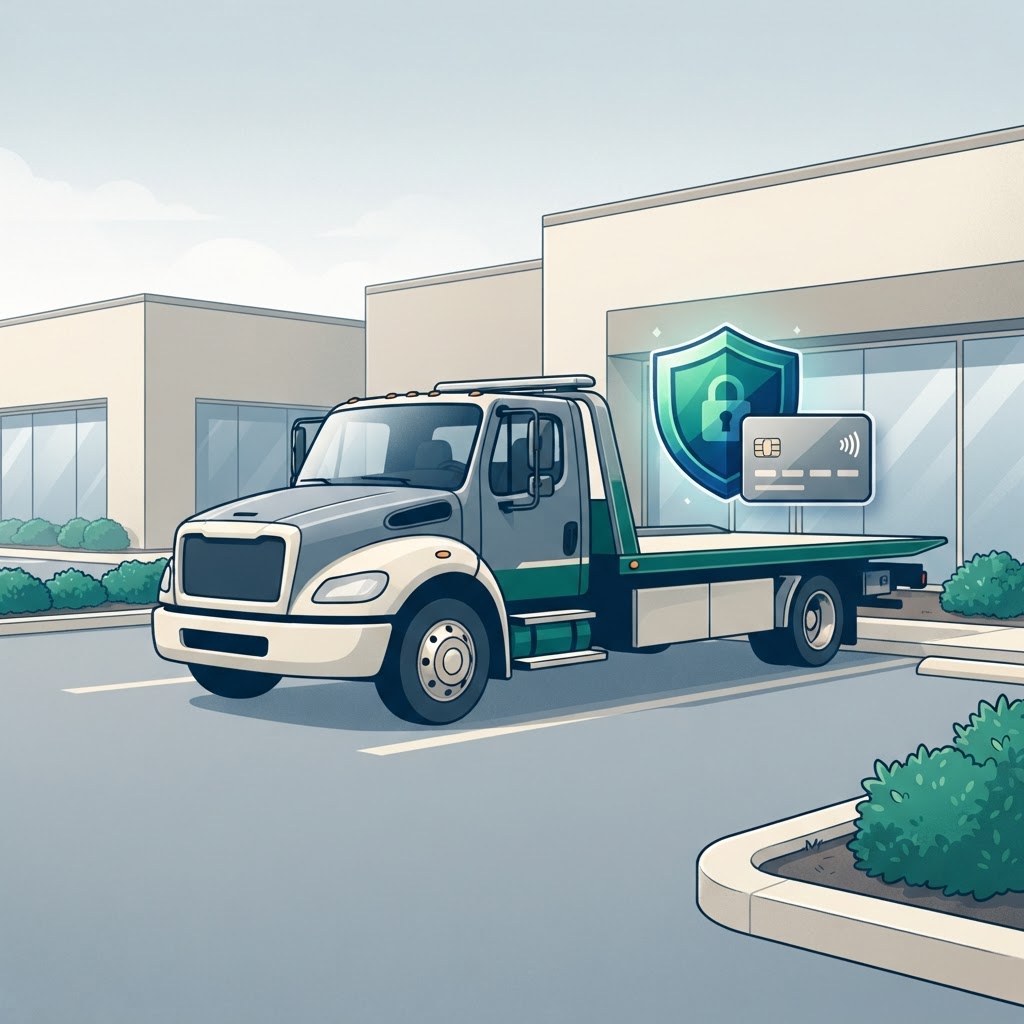
Finding a stable high-risk merchant account for towing companies requires a processor that understands the unique pressures of the recovery industry, including the high frequency of card-not-present transactions and the inherent risk of impound disputes. The ideal solution involves a specialized high-risk provider that offers transparent Interchange Plus pricing, dedicated underwriting, and chargeback mitigation tools to prevent sudden fund freezes or account terminations. Unlike generic processors, these specialized accounts provide the stability necessary for roadside assistance and heavy-duty recovery operations.
Why Towing is Labeled High-Risk by Banks
If you have ever had a payment processor suddenly hold your funds or shut down your account, you have experienced the reality of the "high-risk" label. Banks and traditional merchant service providers do not view towing operations in the same light as a local coffee shop. For a recovery business, several factors trigger this classification.
First, there is the issue of 'Card-Not-Present' (CNP) transactions. When a driver is stuck on the side of a highway and provides their credit card number over the phone or through a mobile app, the risk of fraud or a 'lost or stolen' claim increases significantly. Second, the ticket sizes in this industry are volatile. A standard local tow might be $100, but a heavy-duty recovery or a long-distance haul can reach several thousand dollars. Large, irregular transactions are red flags for standard risk algorithms.
Finally, the nature of the service itself is often adversarial. Impound towing, in particular, leads to high chargeback rates because the person paying the bill is often doing so under duress. When a vehicle owner is unhappy about their car being towed, their first line of retaliation is frequently a credit card dispute. Standard processors like Square or Stripe often have a zero-tolerance policy for these industries, leading to the dreaded 'account under review' email.
The Hidden Dangers of Aggregate Processors
Many recovery operators start their business using aggregate processors because they are easy to set up. However, these platforms perform 'front-end' underwriting. This means they approve you instantly but only actually investigate your business model once you start processing significant volume.
For towing business owners, this is a ticking time bomb. Once the aggregate processor realizes you are performing high-ticket recovery work or sees a single chargeback from a disgruntled impound customer, they may freeze your entire balance for 90 to 180 days to cover their own potential losses. To avoid this, it is essential to get matched with a processor that performs 'back-end' underwriting—meaning they vet your business thoroughly before you process your first dollar, ensuring a much more stable relationship.
Key Features of a Quality Towing Merchant Account
When evaluating a high-risk merchant account for towing companies, you should look beyond just the 'teaser rate.' A cheap rate is useless if your funds are locked. Look for these specific features:
- Interchange Plus Pricing: This is the most transparent pricing model. It ensures you pay the actual cost of the transaction plus a fixed margin to the processor, rather than a bloated flat rate.
- Mobile Processing Integration: Since most of your work happens in the field, your processor must offer secure, EMV-compliant mobile card readers and a robust virtual terminal.
- Chargeback Mitigation Tools: Some high-risk providers offer 'chargeback alerts' that notify you when a customer initiates a dispute, giving you 24–72 hours to refund the transaction and avoid a hit to your processing history.
- Rolling Reserves: While no one likes having a portion of their funds held, a transparent rolling reserve (e.g., 5% held for 6 months) is often a fair trade-off for the stability of a high-risk account, especially for new businesses in the towing and recovery sector.
When to Switch Your Payment Processor
Recognizing the signs of a failing merchant relationship can save your business from a total cash-flow stoppage. You should consider looking for a new partner if:
- Your Effective Rate is Creeping Up: If you calculate your total fees divided by your total volume and the number is consistently over 4.5% to 5%, you are likely overpaying or stuck in a tiered pricing trap.
- Frequent 24-48 Hour Holds: If your processor regularly 'flags' transactions for manual review, it is a sign that their risk department does not trust your industry or your specific business profile.
- Lack of Support for High-Ticket Items: If you are afraid to run a $5,000 recovery job because the processor might freeze the account, you have outgrown your current provider.
- No Dedicated Representative: When your account is at risk, you cannot afford to wait in a generic customer service queue. High-risk accounts should come with a dedicated point of contact.
Required Documentation for Underwriting
To secure a stable high-risk merchant account for towing companies, you must prove to the underwriters that you are a legitimate, low-risk operator within a high-risk category. Preparing a clean 'underwriting package' is the best way to get a fast approval. You will typically need:
- Government-Issued ID: A clear copy of the owner’s driver’s license.
- Voided Business Check: To verify the destination for your daily deposits.
- Processing Statements: The last three to six months of your current processing history (if applicable). This shows your volume and chargeback ratios.
- Bank Statements: The last three months of business bank statements to prove liquidity.
- Business License: Documentation showing you are legally allowed to operate in your jurisdiction.
- Photos of Equipment: Sometimes, underwriters want to see your trucks or your physical yard to verify the scale of your operation.
How OrbitBNK Helps
At OrbitBNK, we specialize in bridging the gap between recovery operators and the banking institutions that actually want their business. We don't just give you a link to a form; we act as your payment intelligence partner. Our team performs a deep-dive review of your current merchant statements to identify 'fee padding' and hidden costs that traditional processors often sneak in.
We help you prepare your underwriting documentation to ensure it meets the strict requirements of high-risk banks. By understanding your specific mix of roadside assistance versus private property impounds, we can apply for the right solution that matches your specific risk profile. This reduces the likelihood of rejection and ensures that once you are approved, your account remains open and functional even during high-volume months.
Reducing Chargebacks in the Recovery Industry
Since chargebacks are the primary reason towing companies lose their merchant accounts, proactive management is vital. Here are three practical steps to take on every job:
- Detailed Digital Invoices: Your receipts should not just say 'Towing.' They should include the VIN, the pickup location, the drop-off location, and the reason for the service.
- Photos are Evidence: Train your drivers to take photos of the vehicle hooked up to the truck and the signed work order. This is the only way to win a 'service not as described' dispute.
- Clear Descriptor: Ensure the name that appears on the customer's credit card statement matches the name on the side of your truck. If a customer sees 'ABC Holdings LLC' instead of 'Smith’s Towing,' they are likely to call their bank to report fraud.
Securing your cash flow is just as important as maintaining your fleet. By moving away from fragile aggregate processors and into a dedicated high-risk merchant account for towing companies, you ensure that your business can continue to scale without the fear of a sudden shutdown.
If you are ready to see where your current processor is falling short or if you need a new, stable partner for your recovery business, take the next step. You can upload your current statement for a free review or get matched with a processor that understands the towing industry today.
Frequently asked questions
Why did Square or Stripe shut down my towing business account?+
Square and Stripe are payment aggregators that generally prohibit high-risk industries like towing due to high chargeback rates and 'card-not-present' transactions. They often terminate accounts after a manual review or a single significant dispute to minimize their own financial risk.
What is a good credit card processing rate for towing companies?+
For high-risk merchant accounts, an effective rate between 3.5% and 4.5% is common. It is best to look for Interchange Plus pricing, where you pay the base cost plus a transparent markup, rather than a flat rate that hides extra fees.
Can I get a merchant account if I do private property impounds?+
Yes, but you must be transparent with your processor. Private property impounds (PPI) have higher chargeback rates, so you will need a specialized high-risk provider that offers chargeback mitigation tools to protect your account.
How long does it take to get approved for a high-risk towing account?+
While generic processors offer instant approval, a stable high-risk account typically takes 3 to 5 business days for full underwriting. This thorough process is what ensures your account won't be suddenly frozen later.
What is a rolling reserve and do I need one?+
A rolling reserve is a percentage of your daily sales (usually 5-10%) held by the bank for a set period (usually 6 months) to cover potential chargebacks. For many towing companies, this is a standard requirement for securing a stable, long-term processing relationship.
See your real processing math
Upload your merchant statement for a free, line-by-line OrbitBNK review.
Start The Clearing