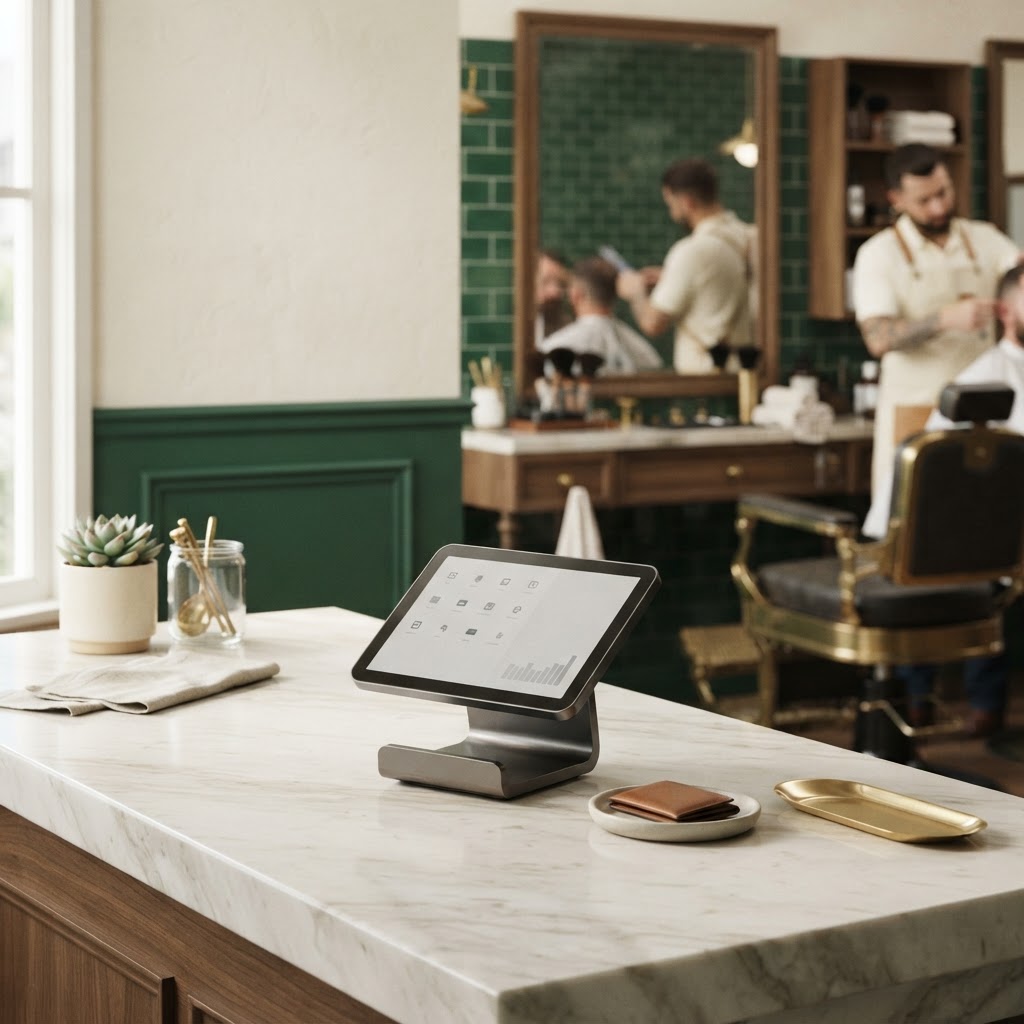
Best High-Risk Merchant Account Options for Nail Salon Owners
Struggling with payment holds? Discover why your business might need a high-risk merchant account for a nail salon and how to regain stability with your processing.

Why Payment Processors Label Beauty Businesses as High-Risk
Many beauty business owners are blindsided when their processing is suddenly restricted or terminated. You likely fall into the high-risk category not because your business is failing, but because processors associate the beauty industry—specifically those offering a mix of physical services and retail products—with a higher frequency of disputes and refunds. When a customer is unhappy with the aesthetic outcome of a service, they often turn to their bank for a chargeback rather than resolving it with the front desk. For payment processors, this risk of chargeback volatility makes a high-risk merchant account for a nail salon the safer, more sustainable route compared to a standard retail account that could be shut down at the first sign of a dispute.
The Anatomy of a Processor Shutdown
Payment providers operate on automated risk management systems. When your business triggers specific thresholds, these systems act instantly. Common red flags include:
- Spikes in Chargebacks: A sudden increase in disputes, especially if your chargeback ratio exceeds 1% of total monthly volume.
- Unusual Transaction Patterns: Large variations in your average ticket size, such as processing a $500 wedding party deposit after only ever seeing $60 service transactions.
- Inconsistent Volume: Significant monthly fluctuations that don't match the projected business growth documented during your initial underwriting.
When a major processor flags your account, they rarely give a grace period. They place your funds on a rolling reserve—meaning they hold your revenue to cover potential future losses—or terminate the account entirely, leaving you unable to accept cards. If you feel your business is vulnerable, you can get matched with a processor that specializes in your industry risk profile to prevent these gaps.
Documents Needed for Smooth Underwriting
To move away from volatile processing, you need to be prepared for the underwriting process. Think of this as your business’s financial resume. Underwriters for high-risk platforms look for proof of stability. Be prepared to provide:
- Three Months of Processing Statements: This allows experts to see your actual history, including the reason codes for any past disputes.
- Current Business Bank Statements: Evidence of consistent operating cash flow.
- Detailed Service Menu and Return Policy: Clear documentation helps an underwriter understand exactly what you sell and how you handle customer dissatisfaction before it hits the bank level.
- Financials or Business Plan: Particularly useful if you are a newer location or recently changed ownership.
Having these items ready before you start an application drastically improves your chances of a smooth onboarding process. You can start by requesting a free statement review to ensure your current processing data is clean and ready for a new underwriter.
When Is It Time to Switch Processors?
You should consider moving to a specialized provider if you notice your current processor is holding your deposits too long or if your effective rate—the true cost of processing after all fees—is constantly climbing. Many owners stay with a standard, low-cost provider until they get their first "account review" notice. Don't wait for a freeze. If your industry category is flagged by your current provider, the relationship is likely on borrowed time. Proactive switching allows you to maintain continuous cash flow without the stress of a sudden service interruption.
Navigating Industry-Specific Challenges
Beauty services are unique because they involve both time-based bookings and physical goods. This hybrid model often confuses generic payment gateways, leading to misclassification. By working with providers that understand industries like aesthetics and personal care, you ensure that your business classification code (MCC) matches your actual operations. This alignment is vital for avoiding automated triggers that flag businesses simply because their transaction volume doesn't look like a standard "brick-and-mortar retail" shop.
How OrbitBNK Helps
At OrbitBNK, we don't act as your processor, but we act as your navigator. We focus on demystifying the complex world of high-risk underwriting. We perform a deep-dive analysis of your current statements to identify where you are overpaying and why your account might be triggering risk alerts. We then help you prepare a professional underwriting package that speaks the language of a risk manager. By highlighting the strengths of your business—your history, your volume, and your mitigation tactics—we help you get matched with a processor that is a legitimate fit for your unique business model, reducing the likelihood of future holds or sudden terminations.
Next Steps to Secure Your Business
Securing your payments is about more than just finding a card reader. It is about building a stable foundation so you can focus on your clients, not your bank account. If you are tired of the uncertainty of your current merchant account, let us help you analyze your current standing. Reach out to the OrbitBNK team today to start your free statement review and see how we can help you find a more reliable processing partner.
Frequently asked questions
Why did my payment processor suddenly close my account?+
Processors use automated risk monitoring. If you exceed specific chargeback thresholds, have wild fluctuations in volume, or deviate from your expected average ticket size, the processor may flag your account as a liability and terminate it to protect themselves.
What is a 'high-risk' merchant account for a salon?+
It is a merchant account specifically designed for businesses in industries where service disputes or potential for fraud are higher than average. These accounts often come with specialized underwriting that accounts for industry-specific risks, providing more stability than standard retail accounts.
Does a high-risk account mean higher fees?+
Often, yes. High-risk accounts may have higher processing fees and reserve requirements to compensate for the increased risk the provider assumes. However, they are generally more stable and less prone to sudden account freezes than standard accounts that are a bad fit for your industry.
What is a rolling reserve and why does it happen?+
A rolling reserve is when a processor holds a percentage of your daily sales for a set number of months. It is used as a security deposit to cover future potential chargebacks. It usually happens if your account is perceived as high-risk or if you have a history of frequent disputes.
Can I switch processors if I have existing chargebacks?+
Yes, you can, but it is challenging. Most underwriters will want to see why those chargebacks occurred. Providing a transparent explanation and a plan for how you have improved your service policies can help you get approved with a new provider.
See your real processing math
Upload your merchant statement for a free, line-by-line OrbitBNK review.
Start The Clearing